iBET at the iPSC 20th Anniversary Symposium in Kyoto
Three posters on hiPSC-based bioprocesses and 3D tissue models
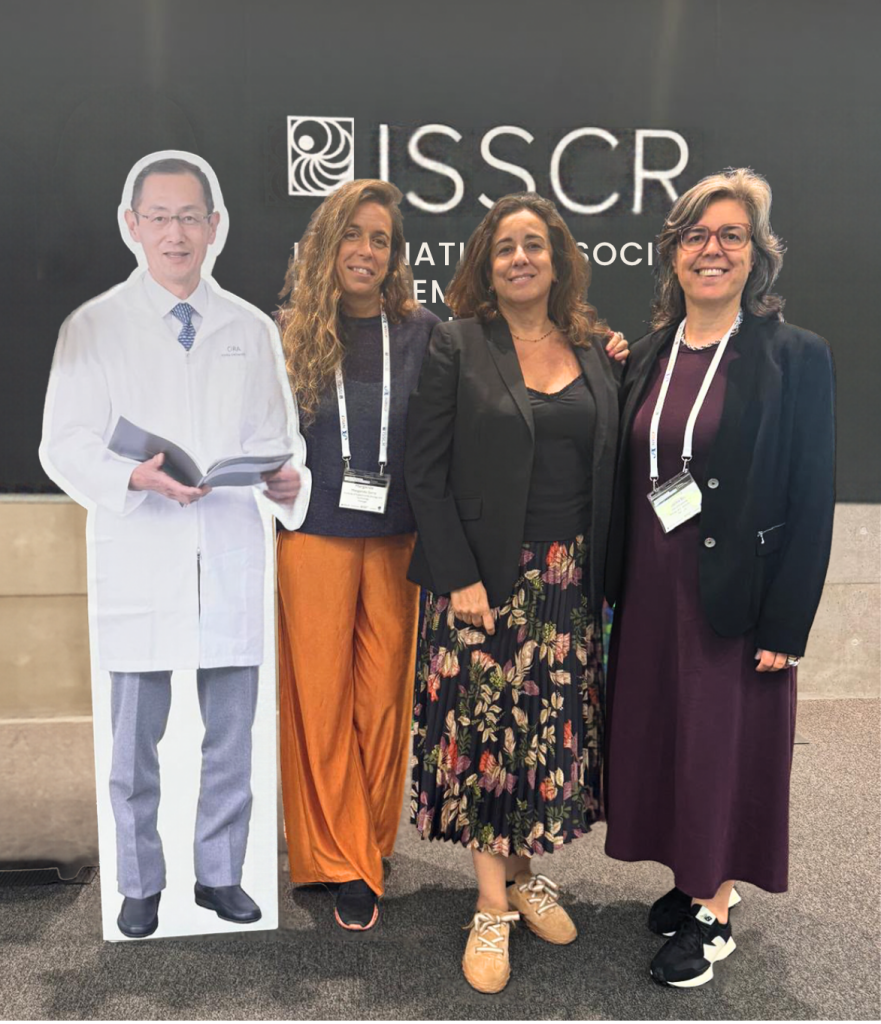
From 20 to 22 October 2026, iBET took part in the iPSC 20th Anniversary Symposium, organised by the International Society for Stem Cell Research (ISSCR) at the Kyoto International Conference Center, in Japan
The symposium marked 20 years since the discovery of iPSC technology, in Kyoto, the birthplace of iPS cells, and covered iPSC biology, technology, disease modelling, clinical applications, and ethics and policy.
Since their discovery by Yamanaka, iPSCs have made patient-derived cells available for research, bringing disease modelling, drug testing and cell therapies closer to the human context.
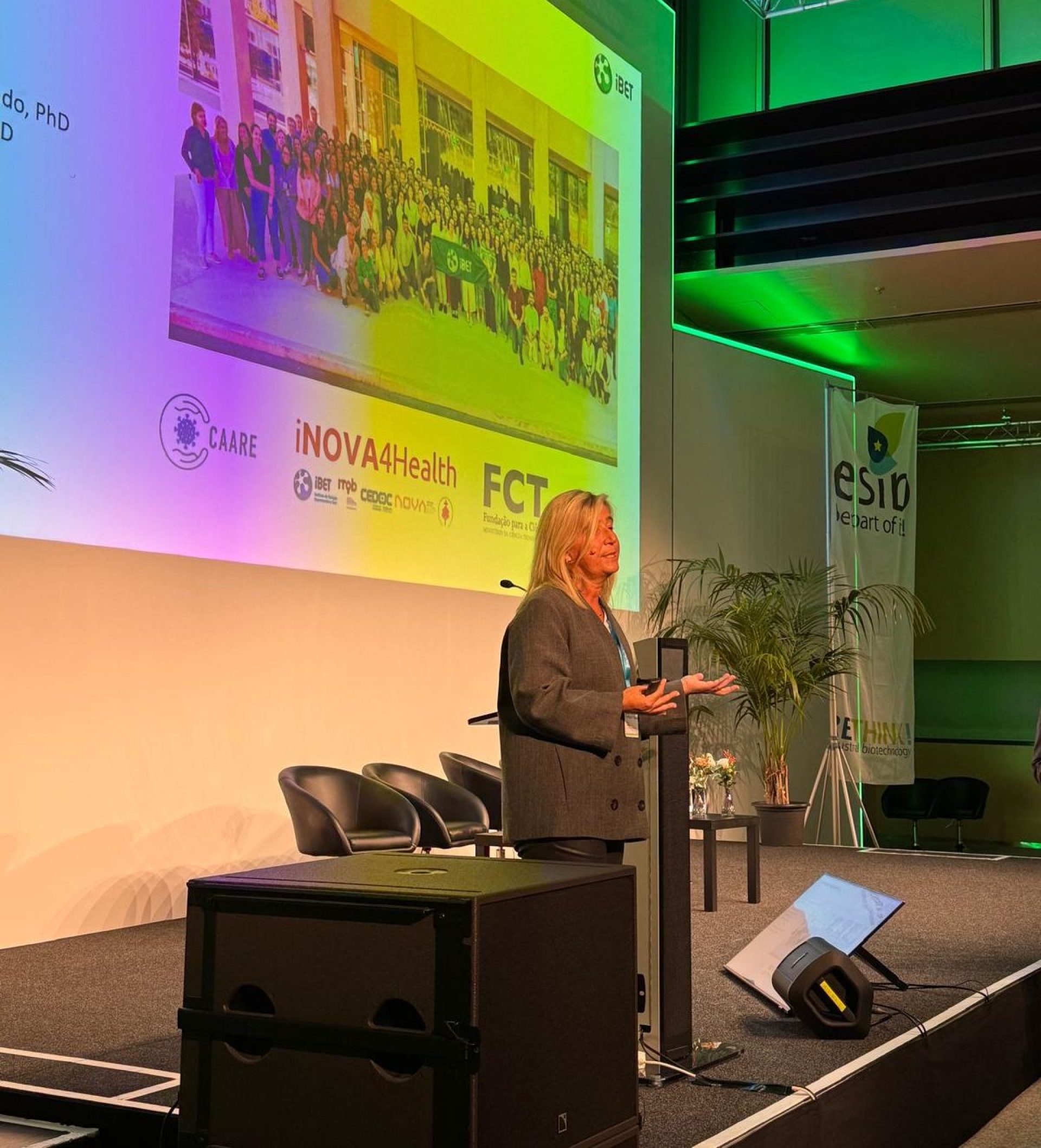
iBET CEO Paula Alves, Catarina Brito, Head of the Advanced Cell Models Lab, and Margarida Serra, Head of the Stem and Immune Cells Bioengineering Lab, shared iBET’s work on using bioreactor-based bioprocessing to make human iPSC-derived cells and tissues more scalable, reproducible and human-relevant, in 3 poster presentations:
“Billion-Scale Production of hiPSC-Cardiomyocytes and Extracellular Vesicles in Bioreactors for Heart Regeneration and Repair” presented an integrated bioprocess for the co-production of hiPSC-derived cardiomyocytes (hiPSC-CM) and extracellular vesicles in stirred-tank bioreactors. Combining Wnt pathway activation with dissolved oxygen control, the process reached a 10-fold expansion of hiPSC-CM in 11 days, and was scaled up from 0.2 to 2 L, yielding 4 billion cardiomyocytes. Extracellular vesicles from the bioreactor cultures showed pro-angiogenic activity.
“Engineering Innate Immunocompetent 3D Tissue Models from hiPSC-Derived Myeloid Cells” described the integration of hiPSC-derived microglia, macrophages and endothelial progenitors into neural and hepatic spheroids generated in stirred-tank bioreactors. The models showed immune surveillance and distinct responses to inflammatory stimuli and were challenged with recombinant AAV vectors to evaluate vector tropism, transduction efficiency and early innate immune responses in a fully human context.
“An iPSC-Derived Neural Organoid Platform to Model Glioma Invasion and Immunosuppressive Niche Formation” presented a platform in which iPSC-derived neurospheroids, comprising neurons, astrocytes and oligodendrocytes, are co-cultured with adult and pediatric high-grade glioma cells in miniaturised stirred bioreactors. The platform enabled the quantitative assessment of tumour invasion and revealed glioma-induced changes in extracellular matrix composition, cell communication and immune-regulatory signalling, pointing to the emergence of an immunosuppressive niche.